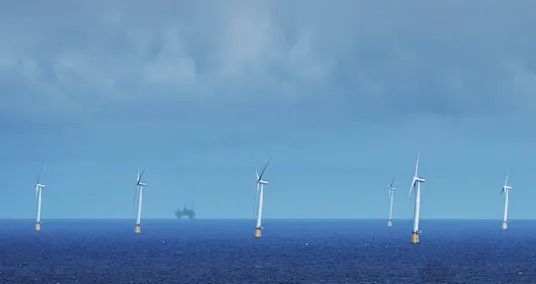
The deepening energy crisis triggered by the US-Israel war with Iran has thrust energy security back onto the political stage in European countries — and widened fault lines along with it.
In the UK — which is particularly vulnerable because of its imports of gas, and which suffered hefty price rises following Russia’s 2022 invasion of Ukraine — attention this time has shifted from diversifying supply away from single countries to a broader push to move beyond fossil fuels, said Annabel Rice, a senior political adviser at the Green Alliance, a London-based think tank. Or at least, that’s the takeaway the governing Labour Party seems to have settled on, casting renewables as more insulated to oil price shocks.
France is similarly leaning towards reducing reliance on hydrocarbons. The country’s prime minister has tasked his cabinet with identifying priority actions to electrify the economy. Others in Europe, such as Italy, have so far opted to double down on fossil fuels to cushion the blow from surging electricity bills. The UK’s opposition Conservative Party is pitching a similar idea, launching a “Get Britain Drilling” campaign this week, pressing to reverse the country’s ban on North Sea oil and gas licenses and claiming it would cut bills significantly.



 Monetary Freedom Guide: Plan Your Future
- Figure out How to Track and Anticipate Future Cd Rates
- Merck sees over $5 billion opportunity in Cidara's experimental flu drug
- Pick Your Favored kind of sandwich
- Airport wait times won't return to normal until Congress reaches a deal to pay TSA. Here's why they still can't come to an agreement.
- Munich Security Conference chief defends inviting AfD lawmakers
- FDA claims on COVID-19 vaccine safety are unsupported by reliable data – and could severely hinder vaccine access
- Portugal among EU countries with the most people working close to 50 hours a week
- PA accuses Israel of 'human trafficking' after planeload of Gazans arrives in South Africa