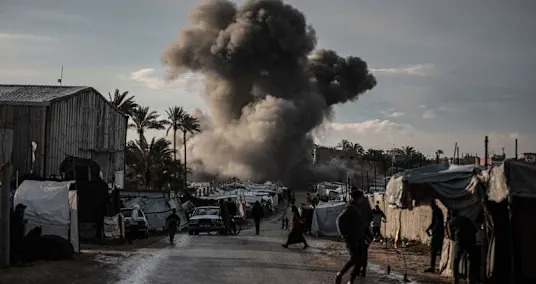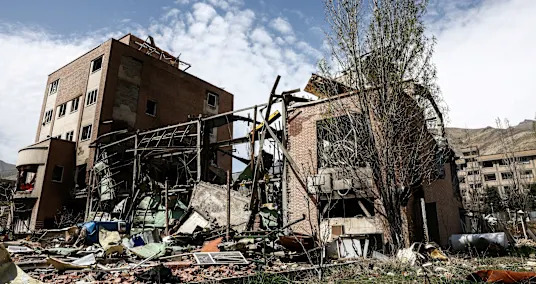
In Tehran, a city of nine million people, schools are closed, businesses are shuttered or struggling, and locals are living without a functioning air-raid warning system or public shelters. In many areas, the first sign of an incoming strike is the explosion itself.
There have been twice as many US and Israeli attacks on Iran compared to the number of Iranian retaliatory strikes since the war began — and the numbers killed in Iran have been orders of magnitude greater than in the neighboring Gulf states. A nationwide internet blackout, now entering its second month, has left civilians unable to access information about safety, shelter, and food and has meant some are unable to work. But while millions have fled Iran’s cities, many more are staying where they are. Some residents are hoping the US and Israeli bombs will cause the regime to collapse; others are left wondering if they are at risk if their neighbors are targeted.
For the many Iranians with ties to Dubai, there are other pressures, with Iranian nationals now barred from entering or transiting through the UAE. Residency permits, even for those with long-term Golden Visas, are reportedly being revoked without notice.

LATEST POSTS
- 1
 British Columbia's Secret Lakeside Town With Hot Springs Is 'An Oasis Of Arts, Culture And Relaxation'
 - 2NASA releases stunning new images captured by the Artemis II moon mission, including 'Earthset' and a solar eclipse from space
- 3Shredded cheese recall: Multiple brands sold at Aldi, Target and Walmart affected over potential metal fragment contamination
- 4Lower-cost space missions like NASA's ESCAPADE are starting to deliver exciting science – but at a price in risk and trade‑offs
- 5A few Exemplary Chinese Dishes, Which Are Famous Around the world




- The Main 15 Powerful Business Heads of Today
- Blue Origin’s New Glenn rocket landed its booster on a barge at sea – an achievement that will broaden the commercial spaceflight market
- Kate Hudson, 46, says she doesn't need long workouts to feel good
- Israel says it killed armed Hamas 'terrorists' in Gaza
- Opening Your True capacity: 12 Techniques for Personal growth
- The Way to Monetary Freedom: A Viable Aide
- Coffee Prices Finish Higher on Brazil Cop Concerns
- Tablets: Upgrade Your Understanding Experience
- Discovery off Israel’s coast reveals earliest known 2,600-year-old shipment of raw iron